Tiranga
- Contact us
- Disclaimer
- Home
- Provacy policy
- Terms And Conditions
History of the Indian National Flag
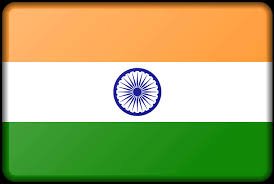
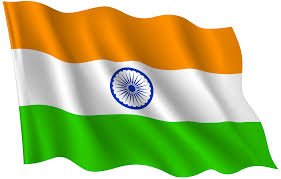
The Indian National Flag
The Indian flag is a horizontal tricolour made up of three colors—saffron, white, and green—with a navy-blue Ashoka Chakra placed in the center of the white band.
History
The national flag of India was officially adopted on 22 July 1947 by the Constituent Assembly. Its design was developed from earlier flags used during India’s struggle for independence, symbolizing the nation’s journey toward freedom.
Design and Proportions
The flag follows a fixed proportion where the length is three times the height in the ratio of 3:2. All three colored bands are of equal width. The Ashoka Chakra, with 24 spokes, is printed in navy blue and placed at the center of the white stripe.
Ashoka Chakra
The Ashoka Chakra stands for the wheel of law (Dharma). It represents justice, truth, and continuous progress, reminding citizens to move forward on the path of righteousness.
Flag Etiquette
The Indian flag must always be treated with dignity and respect.
It should never touch the ground or water.
When displayed horizontally, the saffron band must be at the top.
When displayed vertically, the saffron band should be on the left.
Important Flag Days
The Indian flag is especially displayed on national occasions such as:
26 January — Republic Day
15 August — Independence Day
2 October — Gandhi Jayanti